
Introduction
A healthy mind shapes how you think, feel, and function each day. Stress, anxiety, and low mood can disrupt daily life and make even simple tasks feel overwhelming. As awareness around mental health grows, many individuals are exploring advanced, non-invasive solutions beyond traditional medication.
One such option is neurotherapy for brain health in Michigan, which focuses on improving brain function through targeted, clinically guided approaches. Rather than simply managing symptoms, neurotherapy supports better brain regulation, helping individuals achieve improved balance, clarity, and emotional control over time.
Understanding Neurotherapy and Its Core Approach
Neurotherapy is a broad field that includes various techniques designed to support brain function. While neurofeedback is one commonly known method, it is important to understand that it is not the primary approach used in all clinical settings.
At specialized clinics, neurotherapy focuses on directly supporting the brain using advanced technologies. These approaches go beyond traditional neurofeedback models that rely on training the brain through visual or auditory feedback.
Instead, modern neurotherapy methods may involve targeted stimulation that works at a neurological level to help the brain regulate itself more effectively. This creates a more direct and structured approach to improving mental performance and emotional balance.
How Neurotherapy Supports Mental Health
Mental health challenges are often linked to dysregulated brain activity. When communication between different regions of the brain is not functioning efficiently, it can lead to symptoms such as anxiety, poor focus, sleep disturbances, and mood instability.
Neurotherapy works by supporting better brain regulation and improving the function of neural pathways.
Key benefits include: • Improved focus and attention • Reduced stress and anxiety • Better sleep quality • Enhanced emotional stability • Improved cognitive clarity
These improvements develop over time and contribute to better day-to-day functioning.
Conditions Neurotherapy Can Help Address
Neurotherapy is adaptable and can support a wide range of mental health and neurological concerns. Treatment plans are individualized based on each person’s needs.
Common conditions include: • Anxiety disorders • Depression • ADHD • PTSD • Sleep disorders • Cognitive fatigue and brain fog • OCD
For example, individuals experiencing anxiety may have heightened neural activity linked to stress responses. Neurotherapy helps regulate this activity to promote a calmer state. Similarly, attention-related challenges may benefit from improved neural efficiency.
What to Expect During a Neurotherapy Session
Neurotherapy sessions are structured, calm, and conducted under professional supervision.
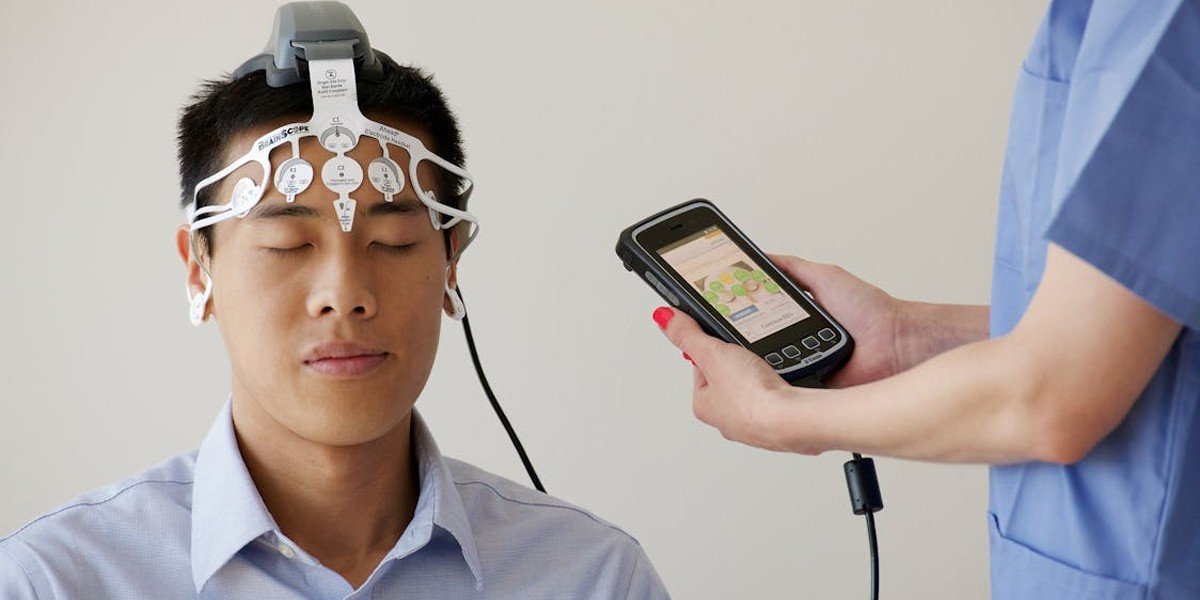
During a session, small electrodes are placed on specific areas of the scalp. These electrodes are connected to clinical devices, including CES (Cranial Electrotherapy Stimulation) systems, which deliver gentle microcurrent stimulation to targeted areas of the brain.
This microcurrent works at a neurological level to help regulate brain activity and improve communication between brain regions. Unlike traditional neurofeedback approaches, sessions do not involve watching videos or listening to sounds as a form of training.
Some individuals may feel mild sensations on the scalp during treatment. This is a normal response to stimulation and is typically well-tolerated. The process is carefully monitored to ensure safety and comfort throughout each session.
It is also important to note that while electrodes are used to measure brain activity in assessments such as QEEG or ERP brain maps, those measurements are for diagnostic and planning purposes only. The treatment itself does not rely on operant conditioning or feedback-based training.
The Science Behind Neurotherapy
The brain operates through electrical activity known as brainwaves. These patterns influence mood, focus, sleep, and emotional responses.
When these patterns become dysregulated, they can lead to various mental health challenges. Neurotherapy works by supporting the regulation of these patterns through clinically guided techniques.
In stimulation-based approaches, such as CES, gentle microcurrents are used to influence brain activity directly. This helps improve neural communication and supports more balanced brain function over time.
Examples of imbalances include:
• Increased high-frequency activity linked to anxiety
• Reduced calming wave parasympathetic activity effecting relaxation
• Irregular patterns Imbalanced frequency ratios impacting focus and attention
By addressing this dysregulation, neurotherapy helps improve overall brain performance.
Who Can Benefit from Neurotherapy
Neurotherapy is suitable for a wide range of individuals, not just those with severe conditions. Many people seek care to improve overall mental clarity and daily functioning.
It can benefit: • Children older than 6 years old, with attentional, behavioral, or learning challenges • Teens experiencing stress or emotional changes • Adults dealing with anxiety or burnout • Older adults seeking cognitive support
Many individuals exploring neurotherapy for brain health in Michigan are looking for ways to enhance focus, reduce stress, and improve quality of life.
How This Approach Differs from Neurofeedback
Although neurofeedback is often associated with neurotherapy, it is not the primary method used in all practices.
Traditional neurofeedback relies on operant conditioning, where individuals “train” their brain through visual or auditory feedback, such as watching videos or listening to sounds.
In contrast, advanced neurotherapy approaches use direct stimulation methods, such as CES technology, to influence brain function more precisely. This eliminates the need for feedback-based training and allows for a more clinically controlled process.
This distinction ensures that treatment is aligned with modern, evidence-based practices rather than generalized training models.
Long-Term Benefits of Neurotherapy
Neurotherapy is designed to support gradual and lasting improvement. It focuses on helping the brain function more efficiently over time.
Potential long-term benefits include: • Improved emotional regulation • Better focus and productivity • Enhanced sleep quality • Greater mental clarity • Has the potential to reduce reliance on psycho-pharmacological-based treatments
Progress varies between individuals, but consistent care often leads to meaningful improvements in overall well-being.
Final Thoughts
Mental health care continues to evolve, and neurotherapy represents a modern approach focused on improving brain function at its source. By using advanced technologies such as microcurrent stimulation, this method provides a structured and clinically guided path toward better mental health.
For those considering neurotherapy for brain health in Michigan, seeking care from experienced professionals is essential. At the Center for Integrative Psychology, personalized treatment plans are designed to support each individual’s unique needs using advanced neurotherapy techniques.
With the right approach, achieving better balance, clarity, and mental performance is possible.
FAQs
What is neurotherapy used for? Neurotherapy supports conditions such as anxiety, ADHD, depression, PTSD, sleep disorders, and OCD by improving brain regulation and function.
What happens during a session? Electrodes are placed on the scalp, and gentle microcurrent stimulation is delivered using CES devices to support brain activity.
Is neurotherapy neurostimulation the same as neurofeedback?
No, neurofeedback is a type of neurotherapy that differs from neurostimulation. Many clinics have adjusted their approaches to use stimulation-based approaches instead of feedback-based training.
Is neurotherapy comfortable? Most people tolerate it well, though mild scalp sensations may occur during stimulation.
Can neurotherapy be combined with other treatments? Yes, it is often used alongside other therapies as part of a comprehensive care plan.
